

The harness had been outside since Tuesday. I picked it up and the nylon was so stiff it crackled, the kind of frozen that isn’t dramatic. It’s just what cold does to things when you’re not watching. One of the younger dogs, Clover, was already spinning in circles before I’d gotten the gang line clipped, and I remember thinking: she has no idea what minus twenty-two feels like on a thousand-mile run. She’s never had to.
Neither have I. That’s the honest version.
I’ve run dogs on North Dakota prairie for fifteen years. I’ve worked in conditions that end conversations at parties. But the Iditarod is a different category of thing. It isn’t a race so much as an argument the earth makes against human plans, and the dogs are the rebuttal. When I heard that the race nearly folded last year, that participation has gutted itself down to a fraction of what it was in the 1990s, something cold settled in me that had nothing to do with the weather.
There’s a musher, Thomas Waerner in some accounts, or whoever holds that last-man-standing energy depending on the year you’re reading about, and the framing around him drives me a little crazy. Saving the race. One man and his dogs. Last hope. People love that story. It’s clean. It has a protagonist.
What it doesn’t have is the smell of a dog yard at four in the morning when you’re doing feeding runs in the dark and your hands have stopped cooperating without you noticing they’ve stopped, and you’re trying to work a carabiner clip that’s gone stiff and the dog you’re tethering is patient and quiet because she’s been doing this long enough to know you’ll figure it out eventually.
That’s where the Iditarod actually lives. Not in the finish line. Not in a single musher’s name.
I had a school group out here maybe four winters ago. Third graders from Minot, bundled to the point of immobility, and their teacher, a woman who I could tell had volunteered for this and now regretted it, standing at the back with her chin tucked into her collar. I was harnessing the lead dog, Fenwick, and one of the kids asked me if the dogs were tired. They’d just been fed. They were vibrating. Fenwick was staring down the trail like the trail had said something personally offensive to him.
I told the kid: tired is the wrong question. Watch what happens when I drop the snow hook.
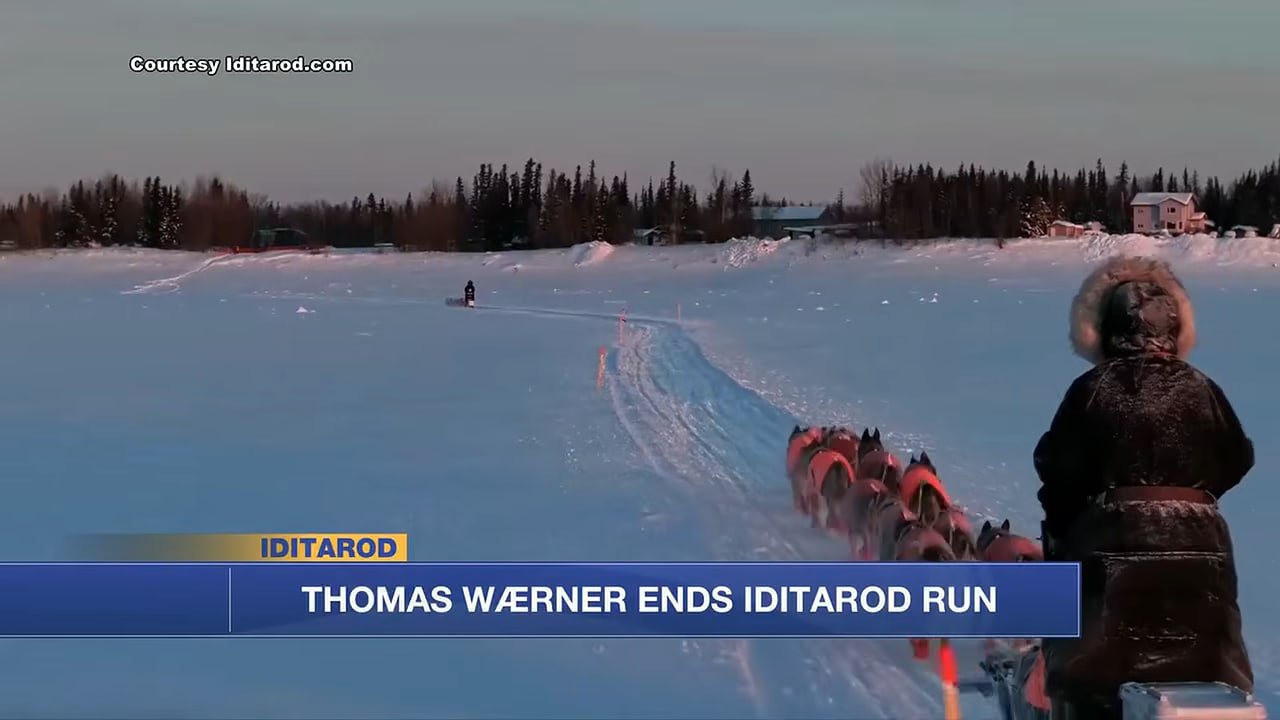
When the team lurched forward, not violently, just with that sudden total commitment dogs make when they’ve been waiting, the kid grabbed the sled rail so hard her knuckles went white, and she laughed in a way that I’ve only heard from people who’ve been genuinely surprised by something physical. Not scared. Surprised.
That’s the Iditarod, too. Except across nine days and a thousand miles of Alaska with frostbite and overflow ice and dogs that develop problems at two in the morning when the nearest vet is a satellite phone call away.
The race isn’t dying because people stopped caring about dogs. It’s dying because the infrastructure that held it up, the small kennels, the working mushers who weren’t rich and weren’t famous, the people who ran it because it was what they did, that infrastructure aged out and didn’t get replaced. You don’t solve that with a narrative about one man. You solve it by asking why a sixteen-year-old in rural Alaska doesn’t have a path to owning a team without inheriting one.
I run beginners out here on flat, exposed land where the horizon is thirty miles in every direction and there’s nowhere to hide from a mistake. I do it partly because I believe prairie has something to teach. Mostly I do it because a kid who grabs a sled rail and laughs like that, she’s not going to forget what it felt like. And the culture that produces the Iditarod is built out of ten thousand moments like that one, accumulated across decades, passed forward.
When those moments stop happening, no single musher saves anything.
The race will survive or it won’t. But what we’d actually be losing isn’t an event. It’s the last place in American life where a working dog is still working, and the person on the runners is required to understand the difference between a dog that’s tired and a dog that’s done, and to act accordingly, alone, in the dark, with no one watching.
That knowledge doesn’t live in a trophy. It lives in the people who carry it forward.
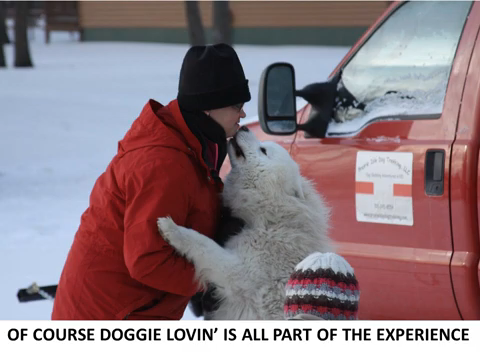
Helen L. Corlew runs a team of Samoyeds, Alaskan malamutes and Alaskan huskies. I am a Tellington TTouch practitioner and use this mode of work with training and living with my dogs.
Helen Corlew founded Prairie Isle Dog Trekking in Petersburg, North Dakota in 2010, and has spent the fifteen years since doing something most people only read about: teaching real dog sledding on real prairie terrain, at the edge of a landscape that doesn’t apologize for being difficult.
She is not a weekend enthusiast. She harnesses working dogs in January cold, trains handlers who have never touched a sled, and has built one of the only hands-on mushing education programs on the Northern Great Plains — from a single address on Highway 2, with no marketing budget and no shortcuts.
Her writing on Prairie Isle Dog Trekking reflects the same philosophy. Whether she is covering trail safety across the Rockies, breed behavior in extreme conditions, or what it actually takes to trek with a dog in the Alps, Helen writes from the position of someone who has done the work before writing the sentence.
She lives and runs dogs in Nelson County, North Dakota.
Kindly follow me on Social Media!
